
How to Clean Your Garage Door: 5 Tips

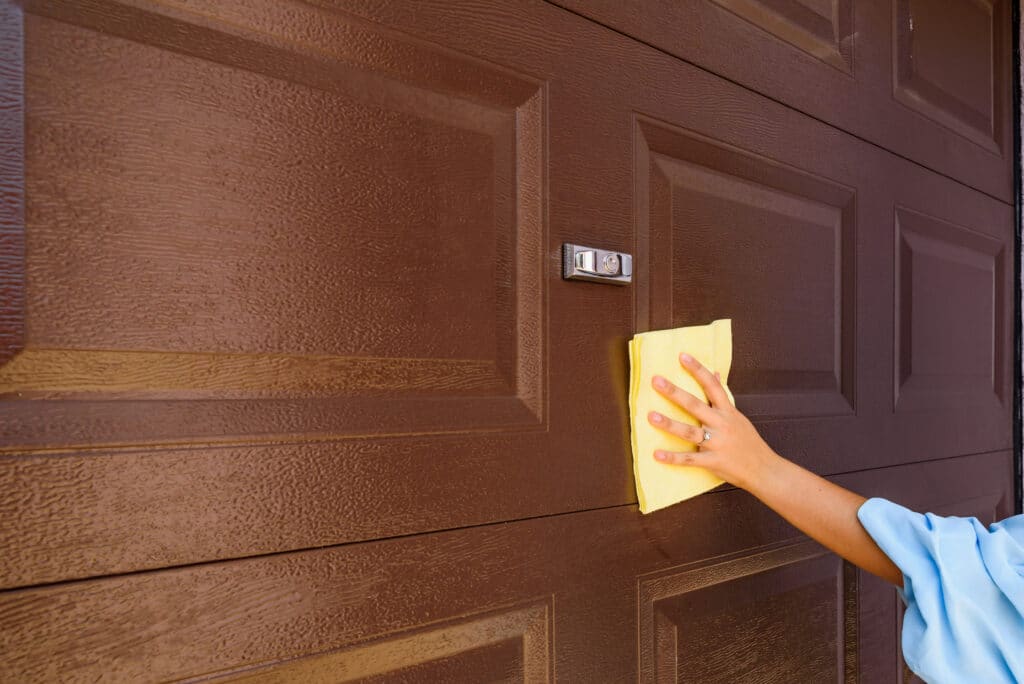
Your garage door is one of the hardest-working parts of your home. It opens and closes hundreds of times a year, faces the full force of whatever weather your area throws at it, and collects everything from road spray and pollen to grease, rust, and chalky oxidation. Most homeowners wash their cars regularly and pressure wash their driveways, but the garage door gets overlooked until it looks visibly bad or starts causing problems.
Cleaning your garage door regularly is not just about curb appeal. A clean door runs better, lasts longer, and gives you the chance to spot small issues before they turn into expensive repairs. Whether you’re doing routine maintenance, getting ready to paint, or dealing with a specific problem like grease buildup or surface rust, these five tips cover everything you need to know about how to clean a garage door properly.
What You’ll Need Before You Start
Most garage door cleaning requires nothing exotic. Here’s what to have on hand:
- Mild dish soap or a dedicated car wash soap
- Bucket of warm water
- Soft-bristle brush or sponge
- Garden hose
- Microfiber cloths or soft rags
- White vinegar (for sensors and stubborn spots)
- Lithium-based or silicone garage door lubricant
- Degreaser (for tracks and heavy grease buildup)
- Fine steel wool or rust remover (for rust spots on metal doors)
- Ladder for reaching the top panels
Avoid using pressure washers at close range on wooden doors, as they can force water into the grain and cause swelling or cracking. A standard garden hose works fine for rinsing on all door materials.
How to Clean Your Garage Door
Tip 1: Wash the Door Panels from Top to Bottom
Start by rinsing the entire door with a garden hose to remove loose dirt, pollen, and surface debris. Then mix a few drops of mild dish soap or car wash soap into a bucket of warm water and work your way down the door with a soft brush or sponge, one section at a time.
Work top to bottom so dirty rinse water doesn’t run over sections you’ve already cleaned. Pay attention to the horizontal grooves between panels where dirt and moisture collect and sit. Rinse thoroughly as you go.
For metal doors: The best way to clean a metal garage door is with mild soap and water, nothing abrasive that will scratch the finish or strip paint. For chalky oxidation that wipes off on your hand when you touch the door, you’ll need a dedicated cleaner. To clean a chalky garage door, use a product specifically formulated for oxidized metal or painted surfaces, apply it with a soft cloth, and rinse thoroughly. Chalky oxidation is a sign that the paint is breaking down, and the door may need repainting soon. Read our guide on garage door painting for what to do next.
For vinyl doors: To clean a vinyl garage door, stick to mild soap and water. Vinyl is low maintenance but can become discolored from mildew or algae in humid conditions. A diluted white vinegar solution handles those spots well without damaging the surface.
For fiberglass doors: To clean a fiberglass garage door, use the same mild soap approach. Fiberglass can yellow over time from UV exposure, and while cleaning won’t reverse that, keeping it free of surface grime slows the process.
For wood doors: Use a damp cloth rather than a hose where possible, and dry the surface promptly after cleaning to prevent moisture from sitting in the wood grain.
Tip 2: Clean the Tracks and Rollers
The tracks and rollers are where function meets maintenance. Dirty tracks cause the door to run roughly, create noise, and put extra strain on the motor and springs. This is one of the most skipped steps in garage door care, and one of the most impactful.
To clean garage door tracks, wipe the inside of both vertical and horizontal tracks with a damp cloth or rag to remove dust, dirt, and old lubricant buildup. For heavy grease accumulation, apply a degreaser to a cloth and work through the track in sections, then wipe clean with a dry rag. Do not spray lubricant into dirty tracks. It binds with grime and creates a paste that makes things worse over time.
To clean garage door rollers, wipe them down while you’re cleaning the tracks. If rollers have visible debris or buildup around the wheel, use a stiff brush to work it loose before wiping. Once tracks and rollers are clean and dry, apply a thin coat of lithium-based or silicone lubricant to the rollers, hinges, and the inside of the tracks. This keeps everything running smoothly and quietly.
If rollers are cracked, chipped, or make consistent grinding sounds after cleaning and lubrication, they may need to be replaced. That’s a good topic to bring up at your next garage door tune-up.
Tip 3: Clean the Sensors
Garage door sensors are small, but they control whether your door operates safely. Dust, spider webs, and grime on the sensor lenses can cause the door to reverse unexpectedly, refuse to close, or behave erratically. Cleaning garage door sensors is a two-minute task that solves a surprising number of door behavior issues.
To clean a garage door sensor, wipe each sensor lens gently with a dry microfiber cloth or a cotton swab. If there’s stubborn residue, lightly dampen the cloth with white vinegar. It cuts through grime without leaving streaks or residue that could interfere with the sensor beam. Avoid using harsh cleaners or soaking the sensors, which can damage the internal components.
After cleaning, check that both sensors are properly aligned. The indicator lights on both units should be solid rather than blinking. A blinking light usually means the sensors are out of alignment, not dirty, and that’s a separate adjustment. If cleaning doesn’t resolve sensor issues, contact Maverick OHD for a diagnostic.
Tip 4: Clean the Inside of the Door and Weather Stripping
The outside of the door gets most of the attention, but the inside of the garage door collects dust, cobwebs, exhaust residue, and moisture over time, especially in attached garages. Wipe down the interior panels with a damp cloth and mild soap, working top to bottom the same way you did on the exterior.
To clean garage door weather stripping, wipe the rubber seal along the bottom and sides of the door with a damp cloth to remove dirt and debris. Dirty weather stripping doesn’t seal as effectively, which lets in more dust, moisture, pests, and outside air. Once it’s clean, inspect the stripping for cracks, tears, or sections that have pulled away from the door. Weather stripping is inexpensive to replace and makes a noticeable difference in how well the door seals, worth flagging at your next service appointment if it’s showing wear.
Tip 5: Address Rust and Grease Before They Spread
Surface rust and grease buildup are the two specific problems that cause the most long-term damage if left unaddressed. Both are easier to handle early than after they’ve spread.
To clean rust off a garage door, start by sanding the affected area with fine-grit sandpaper to remove the rust down to bare metal. Wipe the area clean, apply a rust-inhibiting primer, and touch up with matching exterior paint. On steel doors, small rust spots that get caught early are a simple fix. Rust that’s been ignored for years can compromise the panel structurally.
To clean grease off a garage door, apply a degreaser directly to the affected area and let it sit for a few minutes before scrubbing with a soft brush and rinsing it clean. Automotive degreasers work well on metal doors. For painted surfaces, test any cleaner on a small area first to make sure it doesn’t lift or dull the paint.
Cleaning Before Painting
If you’re planning to paint your door, cleaning is the most important prep step you can take. To clean a garage door before painting, wash the entire surface with a TSP cleaner or heavy-duty degreaser rather than standard dish soap. TSP cuts through grease, oxidation, and old wax that regular soap leaves behind, and any of those residues left on the surface will cause paint adhesion problems. Rinse thoroughly and let the door dry completely before sanding and priming.
Our full guide on how to paint a garage door walks through every step after cleaning, including what primer and paint to use for different door materials.
How Often Should You Clean Your Garage Door?
A full cleaning two to four times a year keeps most doors in good shape. If you live in an area with heavy pollen seasons, road salt in winter, or coastal salt air, cleaning more frequently protects the finish and prevents corrosion from getting a foothold. Hot climates bring their own challenges. Read our hot weather garage maintenance guide for how heat and UV exposure affect your door over time.
When Cleaning Isn’t Enough
A clean door that’s structurally sound is a door that will serve you well for years. But cleaning also gives you the chance to see what’s actually going on with the door, and sometimes what you find during a cleaning session is that the door has issues beyond what maintenance can fix. Panels that are badly dented or rusted through, springs that are visibly worn, or a door that runs roughly even after track and roller maintenance are signs that a professional evaluation makes sense.
If your door is aging out, a new installation may be the more practical path forward. Learn more about garage door installation from Maverick OHD, and reach out if you’re not sure whether your current door is worth maintaining or ready to be replaced.

CONTACT US TODAY For all your repair needs
Ready to experience the best in garage door service? We make it easy for you to get started. Simply reach out to usat contact@maverickohd.com to request your free quote. Our team of experts is eager to provide you with a detailed, no-obligation estimate tailored to your specific needs. Don’t wait—contact us today and see the difference.